
Last month, I got a call from a frantic property manager in Las Olas. Her 20-year-old elevator got stuck between floors with six people inside during a busy Tuesday morning. The fire department had to come out, residents were late for work, and she spent the rest of the week fielding angry calls.
“I should’ve done the elevator modernization years ago,” she told me. “Now I’m looking at emergency repairs AND a full upgrade.”
Sound familiar? If you’re managing a building in Fort Lauderdale, you’ve probably had that nagging thought about your elevator. Maybe it’s making weird noises, taking forever between floors, or just feels… old.
Here’s the thing about elevator modernization in Fort Lauderdale – waiting usually costs more than acting early. But knowing when and how to upgrade? That’s where things get tricky.
Think of elevator modernization like giving your building’s heart surgery. You’re not just fixing what’s broken – you’re upgrading the whole system to work better, safer, and more efficiently.
Most buildings in Fort Lauderdale installed their elevators 15-25 years ago. Back then, the technology was decent. Today? It’s like comparing a flip phone to an iPhone.
Modern elevator systems include:
I’ve been working with elevator companies in South Florida for eight years. Here are the red flags I see most often:
One breakdown? Could be bad luck. Multiple breakdowns mean your system is telling you something.
Older elevators use parts that manufacturers don't make anymore. I watched one building in Coral Ridge wait three weeks for a motor part. Three weeks of stairs for a 12-story building.
Smooth elevators don't just feel better - they're safer. Jerky rides usually mean the control system is struggling.
Old elevator motors use way more power than new ones. I've seen buildings cut their elevator electricity costs by 40% after modernization.
Modern elevators run much quieter. If residents are complaining about grinding, squealing, or banging sounds, it's time to upgrade.
Here’s what nobody tells you about delaying elevator modernization in Fort Lauderdale: emergency repairs cost about three times more than planned upgrades.
I worked with a condo building in Victoria Park that kept patching their 22-year-old elevator. Over two years, they spent $18,000 on repairs. When it finally died completely, the emergency replacement cost $65,000.
If they’d done the modernization upfront? About $45,000 total.
Plus, every breakdown hurts your building’s reputation. Good tenants have options in Fort Lauderdale’s competitive rental market. They’ll move somewhere with reliable elevators.
Different areas of Fort Lauderdale have different elevator needs:
Downtown Fort Lauderdale: Lots of high-rise condos built in the early 2000s. These buildings usually need control system upgrades and energy efficiency improvements.
Las Olas: Mix of older buildings and newer construction. The older buildings often need complete modernization, while newer ones might just need minor updates.
Victoria Park: Mostly mid-rise buildings from the 1990s and 2000s. Common issues include outdated safety systems and worn-out motors.
Coral Ridge: Many buildings here have original elevators from the 1980s and 1990s. These usually need full modernization.
Beach areas: Salt air is tough on elevator equipment. Buildings near the ocean often need more frequent updates to fight corrosion.

When you call an elevator repair service in Fort Lauderdale, here’s what to expect:
Good repair companies explain what they’re doing and why. They don’t use confusing words to trick you into paying more.
The difference between old and new elevator systems is huge. Here’s what you get with modern equipment:
New elevators move faster and respond quicker to calls. Less waiting time means happier residents and visitors.
Modern systems have multiple backup safety features. They can detect problems before they become emergencies.
New motors and LED lighting use much less electricity. Some buildings save hundreds of dollars per month.
Modern elevators can prioritize calls, reduce wait times during busy periods, and even send maintenance alerts before problems happen.
Better control systems mean smoother starts, stops, and travel between floors.
Getting your elevator modernized isn’t as disruptive as you might think. Most projects take 2-4 weeks, depending on how much work needs to be done.
Here’s how it usually works:
Week 1: Remove old equipment and prepare the space. Your elevator will be out of service during this time.
Week 2-3: Install new motors, control systems, and safety equipment. Test everything multiple times.
Week 4: Final inspections and certification. Your elevator comes back online.
Smart building managers schedule modernization during slower periods. In Fort Lauderdale, that’s usually late spring or early fall when fewer people are moving in and out.
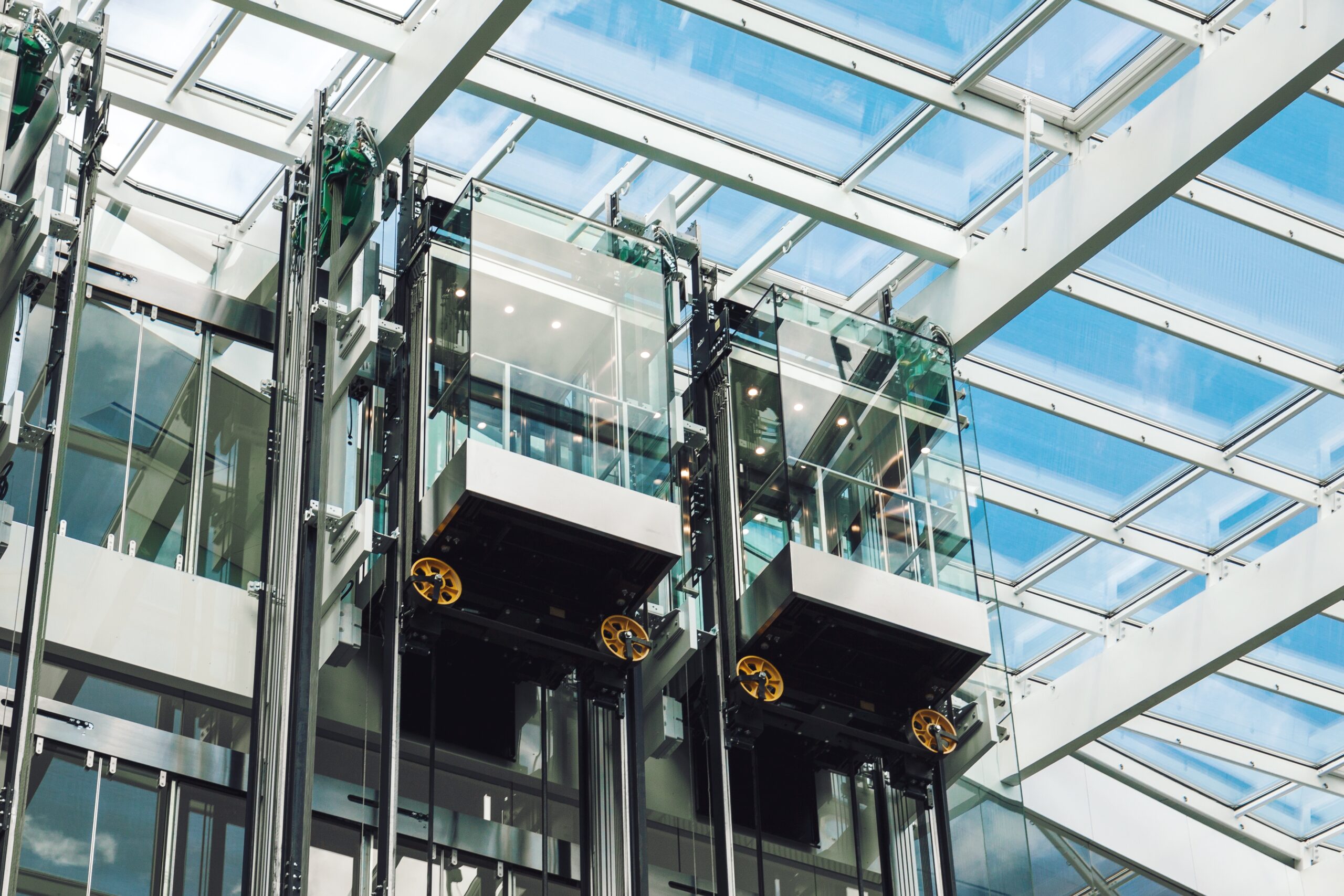
Not all elevator companies in Fort Lauderdale are the same. Here’s what to look for:
Local experience: Companies that understand Florida building codes and weather challenges work better than out-of-state contractors.
Maintenance after installation: The best companies offer ongoing service plans. You want someone who’ll be around to fix problems later.
References from similar buildings: Ask for references from buildings like yours in your area of Fort Lauderdale.
Clear timeline and pricing: Good companies give you detailed estimates with no surprise costs.
Costs vary based on your building’s needs, but here are typical ranges:
The numbers show why planning ahead saves money. Emergency replacements always cost more because you can’t shop around or wait for better pricing.
I tell property managers to think about elevator modernization like major building maintenance. You wouldn’t wait for your roof to collapse before replacing it.
If your elevator is over 15 years old and having regular problems, modernization probably makes sense. If it’s over 20 years old, modernization is almost always the smart choice.
The property manager from Las Olas I mentioned earlier? She got her elevator modernized six months after that emergency. Her building now has faster, quieter, more reliable service. Her tenants are happier, and she sleeps better knowing she won’t get emergency calls.
Ready to move forward? Start by getting assessments from three different elevator service companies. Compare their recommendations, timelines, and pricing.
Ask each company to explain exactly what they’ll upgrade and why. Good companies will walk you through your current system and show you what needs attention.
Don’t wait for an emergency to force your hand. Planned elevator modernization costs less, causes less disruption, and gives you better results than emergency repairs.
Your building deserves reliable elevator service. Your tenants deserve smooth, safe rides. And you deserve to stop worrying about the next breakdown call.
The question isn’t whether you’ll need elevator modernization in Fort Lauderdale. The question is whether you’ll do it on your timeline or wait for your elevator to choose the timing for you.

Building a new property in Fort Lauderdale? Buying an existing one? Our consulting team can evaluate elevator systems and help you plan for future needs.