
Last month, my friend Jake called me in a panic. His office building’s elevator had been making weird noises for weeks. “It sounds like a dying whale,” he said. Then one Tuesday morning, it just stopped working. Twenty floors. No elevator. Angry tenants. Emergency repair bills that made his eyes water.
Jake learned the hard way what every property manager in Fort Lauderdale should know – elevator maintenance isn’t something you can ignore.
Here’s what most people don’t realize about elevators in South Florida. The heat and humidity down here are brutal on mechanical systems. Salt air from the ocean makes things worse. Your elevator is working overtime just to keep running.
I’ve seen buildings in Coral Ridge and Las Olas where owners thought they could save money by skipping regular maintenance. Bad idea. One condo building near the beach had to replace their entire elevator system after just 10 years. That’s a $100,000+ mistake that could have been avoided.
Regular elevator maintenance Fort Lauderdale style means dealing with unique challenges. The weather here isn’t just hot – it’s consistently hot and humid. That combination is like kryptonite for elevator components.
Real elevator maintenance isn’t just someone pressing buttons and saying “yep, it works.” A good technician will check dozens of components during each visit.
They test the emergency brake system. They inspect cables for wear. They check the motor room ventilation (super important in Florida heat). They lubricate moving parts and test safety systems.
My buddy who runs maintenance for a high-rise in Downtown Fort Lauderdale told me something interesting. He said the buildings that get monthly maintenance calls almost never have emergency breakdowns. The ones that wait until something breaks? They’re calling him at 2 AM on weekends.
Don’t wait for your elevator to trap someone between floors. Here are warning signs every property manager should watch for:
Elevators should run quietly. If yours sounds like it's grinding coffee beans, call someone.
Smooth rides only. If passengers feel like they're on a mechanical bull, that's a problem.
Elevators that take forever to arrive or move between floors need help.
Doors that stick, make noise, or don't close properly are safety hazards.
I know a property manager in Victoria Park who ignored door problems for months. Finally, a tenant got their foot caught. Lawsuit time. The repair bill was nothing compared to legal fees.

Not all elevator companies are the same. Some are great for new installations but terrible at maintenance. Others specialize in older systems but struggle with modern equipment.
Look for companies that have been working in South Florida for years. They understand local challenges. They stock parts for common elevator brands. They know building codes and inspection requirements.
Ask about response times. In Fort Lauderdale’s heat, a broken elevator isn’t just inconvenient – it can be dangerous for elderly residents or people with health conditions.
Monthly maintenance contracts typically run $150-400 per month depending on your building size and elevator type. That might seem expensive until you see emergency repair bills.
Emergency calls start at $500 just to show up. Parts replacement can hit thousands. If someone gets hurt because of a preventable malfunction, you’re looking at potential lawsuits that make repair costs look tiny.
One apartment complex owner in Plantation learned this lesson the expensive way. Skipped maintenance for 18 months to save money. Then needed a $12,000 emergency repair when the motor failed during peak summer heat.
Some areas of Fort Lauderdale are tougher on elevators than others. Buildings near the beach deal with salt air corrosion. High-rises downtown face extra usage stress. Older neighborhoods like Colee Hammock have elevators that need special attention.
If your building is in Las Olas, Coral Ridge, or anywhere within a few miles of the ocean, your elevator maintenance schedule should be more frequent. Salt air accelerates wear on metal components.
Buildings in Lauderdale-by-the-Sea or Pompano Beach face similar challenges. The closer you are to salt water, the more attention your elevator needs.
Don’t just sign a maintenance contract and hope for the best. Ask specific questions:
How often will they inspect safety systems? What’s included in regular maintenance visits? How fast do they respond to emergency calls? Do they stock common parts locally?
Get answers in writing. I’ve seen too many property managers get surprised by “extra charges” for basic maintenance tasks.
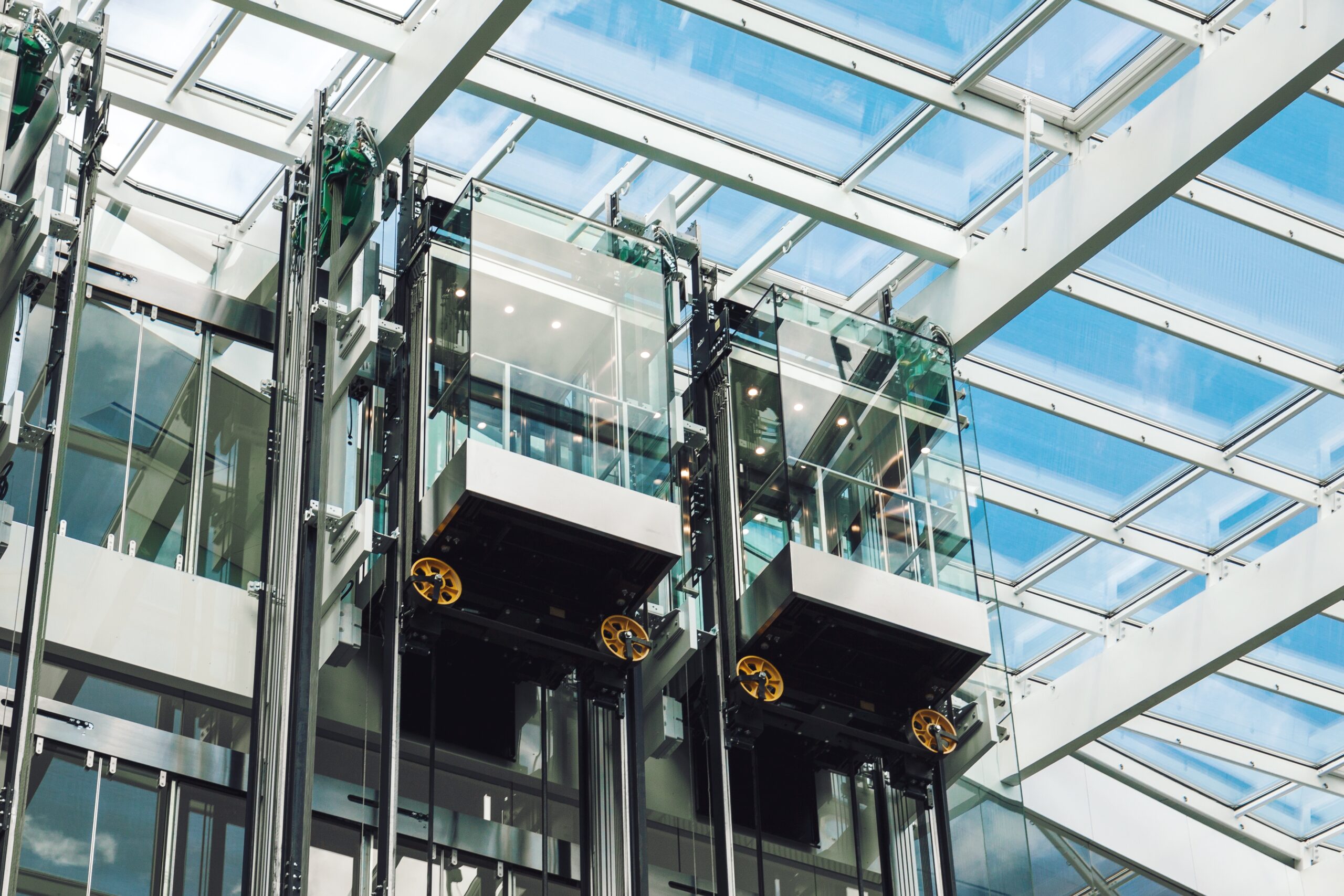
Your elevator is like your car. You can ignore maintenance for a while, but eventually, something important will break at the worst possible time.
Regular elevator maintenance Fort Lauderdale properties need isn’t optional – it’s required by law and common sense. The question isn’t whether you can afford regular maintenance. It’s whether you can afford not to have it.
Jake’s building now has a monthly maintenance contract. His elevator runs quietly, responds quickly, and hasn’t broken down once in the past year. His tenants are happy. His stress levels are way down.
Don’t wait for your elevator to strand someone between floors. Find a reliable elevator service company in Fort Lauderdale and set up regular maintenance. Your building, your tenants, and your wallet will thank you.

Building a new property in Fort Lauderdale? Buying an existing one? Our consulting team can evaluate elevator systems and help you plan for future needs.